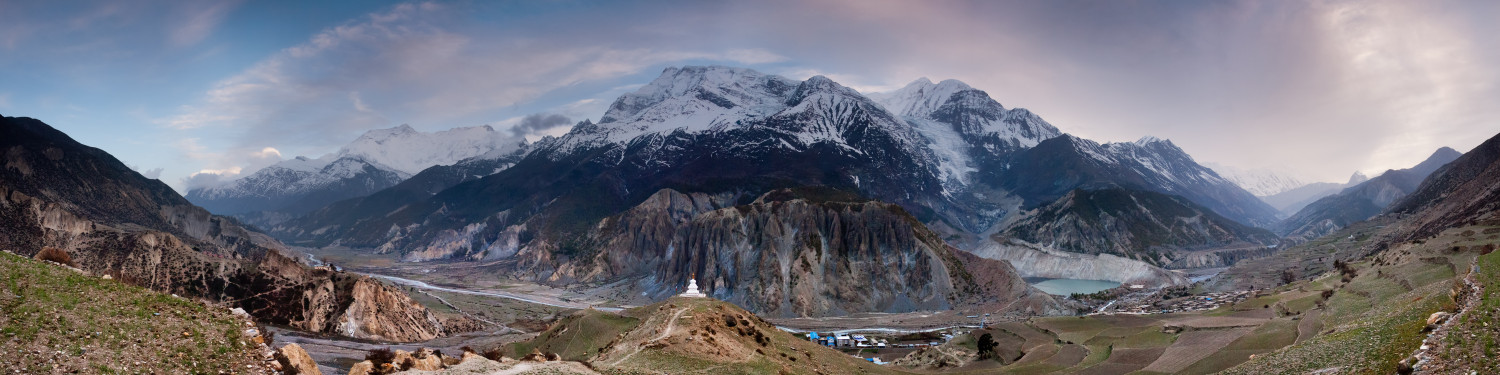
It is interesting drawing the parallels of the effects of the World Wars and the history of climbing and conquering the Himalayas in Fallen Giants. Of course there could be many other reasons, but perhaps the aftermath of the first World War was the driving force that led so many veterans to start conquering peaks in the Himalayas. Imperialism was Britain’s fuel, as its been, but I still do not understand how Britain became such a climbing culture. Until 1947 India was ruled by Britain, so it is slightly clear why so many peaks in the western range of the Himalayas were climbed first by the British. It seemed as though the Himalayan range was England’s playground, as opposed to the French/Swiss alps and Chamonix being the rest of Europe’s playground. Eventually mountaineering became a national competition, and could still be seen today, but in the early 1920’s were nations still running on patriotism from the war? – It certainly seems so. The shift of conquering the tallest peaks to the number of peaks to the hardest and most technical peaks is what really made mountaineering a sport. It is also interesting to notice how few and how late Americans started traveling to the Himalayas.
Shifting over to the individuals now, it was interesting to follow all the characters that made first ascents. I enjoyed reading into more of Mallory’s character, but he sounded like a pretty selfish guy with a huge ego. “Because it’s there,” come on, so is Mars, the center of the Earth, and your family. I do respect his ability to know when to turn back, being so close to the summit. Two other characters that particularly stuck out of the book for me was Martin Conway and Maurice Wilson. Martin Conway wrote a lot about mountaineering and his work sounded pretty enjoyable to read being not just about mountains but other expeditions as well. He seemed to have a pretty impressive alpine record, was well respected, and just an interesting person. Maurice Wilson’s story on the other hand, was pretty brief, and shows how mountaineering is not something to take lightly. With no flying experience and no mountaineering experience his life’s purpose was to “buy an airplane, fly it into India, crash it on the lower slopes of Everest, and prove his theory of man’s infinite capacity by climbing the mountain alone,” and eventually dying.
I was surprised to see how early expeditions started using Sherpa’s and how many. There are still plenty more pages to cover, but it would have been nice if Isserman and Weaver dove a little deeper in this as Sherpa’s have a history of mountaineering as well. Even during the early 1920’s they were under paid and feeling used. They were lightly mentioned in the expeditions and it would have been nice to have seen the national competition of climbing in the Himalaya’s through the lens of Sherpa’s. It would answer a lot of the bigger questions and give a deeper meaning as to what drove certain nations to the Himalayan range. Why the tallest peaks first for so many mountaineers? Why not climb as many peaks one can in the Alps or in the Andes? Right now in mountaineering I feel there is a shift to climb the most remote mountains, for example in Myanmar. I am curios to see what happens in the history of mountaineering when the most remote mountains have been climbed.