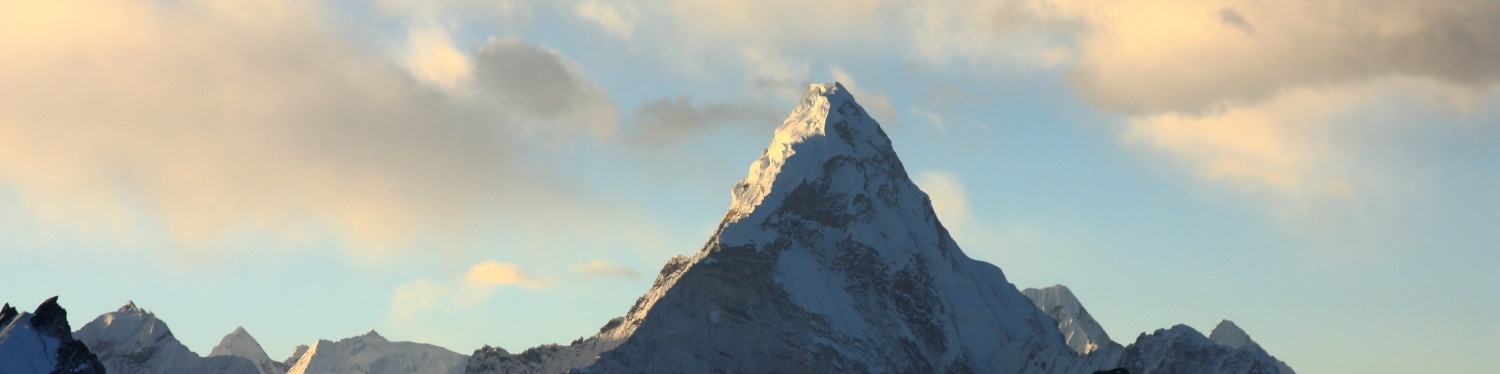
The reading of Fallen Giants by Weaver and Isserman was an intriguing read to say the least, one which I personally enjoyed more than any other reading. This reading was more substantial in my eyes and really provided a compressive history of mountaineering in the himalayas that I had so desired, which is due to the fact that coming into this class I had a very poor concept of mountaineering and the history behind the sport. It is because of the detail of the events that occurred from early exploration and the idea of the himalayas as a religious ground and the guise of scientific exploration all made for this reading to be very enjoyable.
One concept that stuck out to me in particular occurred in the third chapter was the idea that the sport of mountaineering had little use and was seen as such by most mountaineers in the time period. It is stated in the text “I reply, No use at all” (Weaver and Isserman 84). This statement by Younghousband is referencing the idea that there is really no practical use of mountaineering, other than some scientific use, other than the idea that man is striving to dominant his environment and show through this accomplishment that he and his country is greater than mother earth and all other forces on earth (Weaver and Isserman 84). This idea plays directly into the idea of colonialism and what is an empire to do such as Britain when they can no longer expand outwardly they must naturally expand upwards to remind the world who is the strongest country and who dominates all. This is shown in earlier chapters as well when some explores sneak onto mountains under the noses of the tibetan lamas in order to climb a mountain all in the name of climbing a mountain.
Another interesting aspect that I drew from this text was the idea of climbing and science versus the religion within Tibet. This idea is one that is prominent in our alternate idea where the British and other empires ignore hold the religious values that the Lamas and other Tibetans place upon the mountains and climb the mountains which have been revered for so long sometimes in the name of science, but more often than not just because the mountain is there. This very colonial practice is one that explains many of the misgivings that Tibet and its inhabitants hold for the British and other empire. For if a country were to desecrate another country’s holy place the first country would indeed be most agitated by the action. This was very much the case for the country of Tibet and its inhabitants they assigned many religious ideas and gods to the mountains that surrounded them and when one climbs it it is almost the same act as desecrating a religious idol or place. Indeed, these actions had occurred for empire and for country and were therefore acts of empire expanding to declare prominence and power. All of these examples and ideas point to the very colonial idea that still dominated Britain at the time.
While this text could occasionally get bogged down in to many details and to many names that are almost trial at time, the text provided me a very good detailing of the early history of the himalayan mountains and the key players that participated in their exploration.